World Cup Shirt History (1930–Present)
The FIFA World Cup has produced some of the most iconic football shirts ever made. From Brazil’s 1970 classic to the bold patterns of the 1990s and the modern era of lightweight performance fabrics, World Cup kits have shaped football culture and become serious collector pieces.
On this page
- The early years (1930–1958)
- 1960s–1970s: iconic identity
- 1980s: the manufacturer era begins
- 1990s: the golden era of bold design
- 2000s: performance meets branding
- 2010s–present: retro inspiration & modern tech
- Most iconic World Cup shirts
- How shirt technology evolved
- Collectability & value
- World Cup shirts by tournament (newest first)
The early years (1930–1958): simplicity and identity
In the earliest World Cups, shirts were simple, heavy cotton garments. There were no sponsors, no player names, and minimal badge detailing. Design was primarily about national identity — colour, collar style, and a crest (often stitched on).
- Materials: heavy cotton
- Details: sewn crests, lace or button collars
- Look: clean, minimal, built for durability
By the late 1950s, football shirts were still straightforward, but national colours and classic silhouettes had become instantly recognisable to fans worldwide.
Below is a match-worn shirt I have had in stock from 1951. The material on it was very heavy, and there was no badge or logo on it- just a hand-stitched number on the back.

1960s–1970s: iconic identity (and colour TV impact)
As televised football grew — especially in colour — kit aesthetics mattered more. The 1970 World Cup is often viewed as a defining moment for iconic shirt identity, with clean designs that remain timeless today.
This era also saw a gradual shift towards lighter fabrics and more consistent manufacturing standards as kit production modernised.
1980s: the manufacturer era begins
By the 1980s, sportswear brands began shaping international kits more clearly. Adidas, Umbro, and other manufacturers introduced templates, modern cuts, and early technical materials. Shirts became lighter and more comfortable, while the design started to carry a stronger “brand signature”.
- Materials: polyester blends become common
- Design: early template influence and bolder trim
- Collectability: rises due to iconic players and moments
1990s: the golden era of bold design
For many collectors, the 1990s were the peak of World Cup kit design: geometric patterns, striking away shirts, oversized crests, and memorable colour blocking.
If you’re building a collection, this decade is often the sweet spot: designs are distinctive, availability is reasonable compared to pre-1970s kits, and the nostalgia still feels close.
2000s: performance meets branding
From 2002 onwards, kit tech became a major selling point: breathable panels, lighter fabric, slimmer cuts, and heat-applied crests. While designs became cleaner and more “template-led” in many cases, tournament shirts from this era remain popular due to star players and iconic matches.
Who could forget the iconic T90S shirts of the 2006 World Cup, or the advert in the airport that launched them!
2010s–present: retro inspiration & modern tech
The 2010s brought a strong swing back towards heritage-inspired looks — simple collars, classic colour palettes, and designs that nod to earlier decades. At the same time, modern kits became increasingly engineered, using advanced lightweight materials and (more recently) recycled fibres.
Most iconic World Cup shirts
Here are some of the all-time classics, in my opinion.
- Brazil 1970
- Argentina 1986
- Germany 1990
- France 1998
- Brazil 2002
- Nigeria 2018
How shirt technology evolved
World Cup shirts have changed dramatically over the decades — from heavy cotton to ultra-light performance fabric.
| Era | Typical fabric | Key features |
|---|---|---|
| 1930s–1960s | Heavy cotton | Simple construction, stitched crests, classic collars |
| 1970s | Lighter cotton blends | Cleaner silhouettes, stronger colour identity on TV |
| 1980s | Polyester blends | Early technical improvements, manufacturer influence |
| 1990s | Technical synthetics | Bold graphics, template era begins to dominate |
| 2000s | Performance fabrics | Breathable panels, lighter weight, heat-applied crests |
| 2010s–Present | Ultra-light engineered materials | Heritage styling + modern tech, sustainability focus |
World Cup shirts by tournament
Explore tournament-by-tournament guides to every shirt from the major tournaments.
Modern era
- 2022 World Cup Shirts (Qatar)
- 2018 World Cup Shirts (Russia)
- 2014 World Cup Shirts (Brazil)
- 2010 World Cup Shirts (South Africa)
- 2006 World Cup Shirts (Germany)
- 2002 World Cup Shirts (Korea & Japan)
The 1990s golden era
Classic era
- 1986 World Cup Shirts (Mexico)
- 1982 World Cup Shirts (Spain)
- 1978 World Cup Shirts (Argentina)
- 1974 World Cup Shirts (West Germany)
- 1970 World Cup Shirts (Mexico)
Vintage Shirts By Decade
-
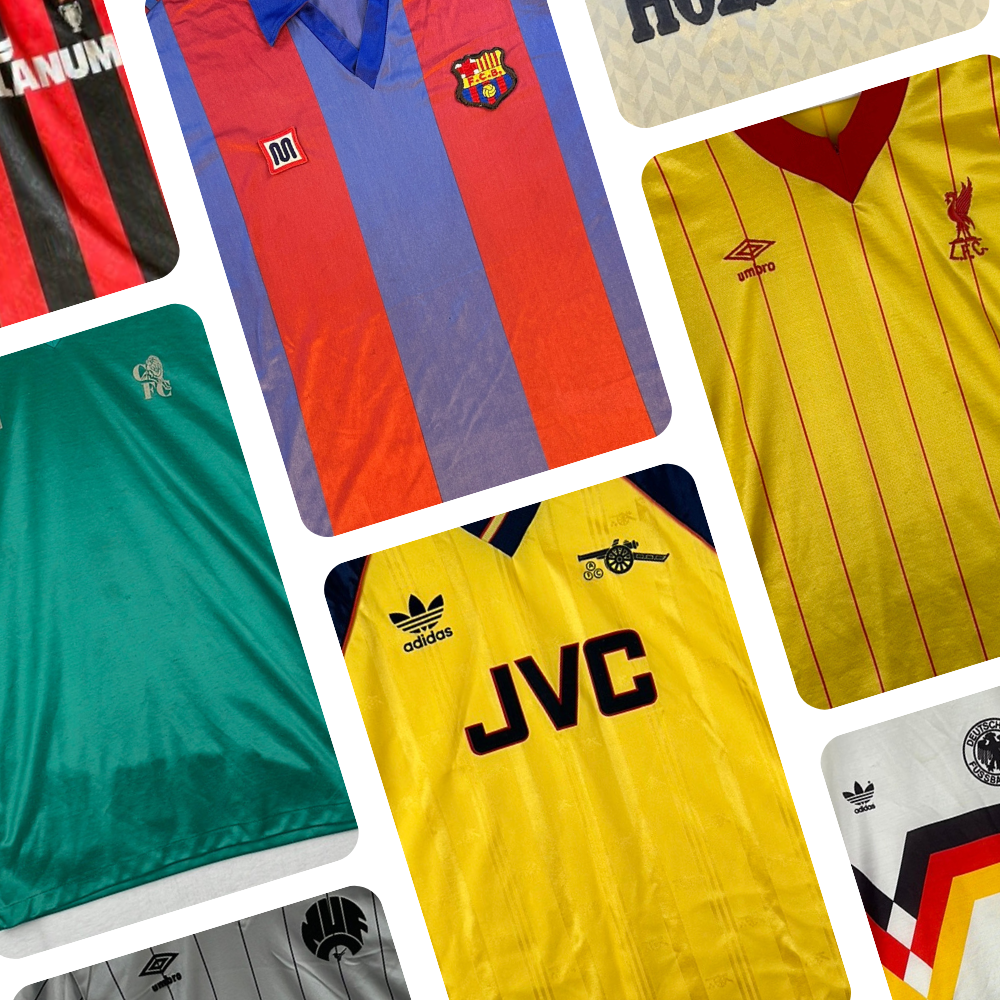
Retro 1980s Football Shirts
Step back into one of football’s most iconic eras with our collection...
-
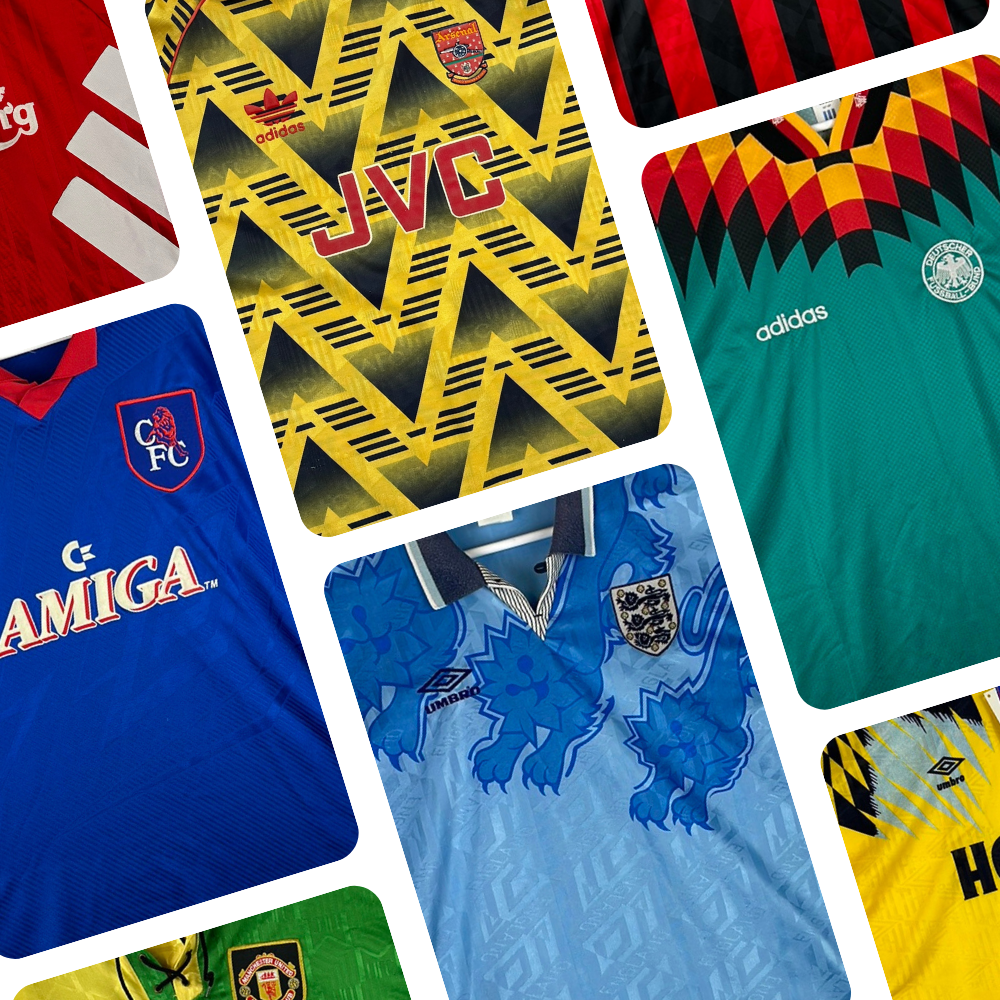
Retro 1990s Football Shirts
Relive the era of bold designs, baggy fits and unforgettable sponsors with...

Popular Teams
-
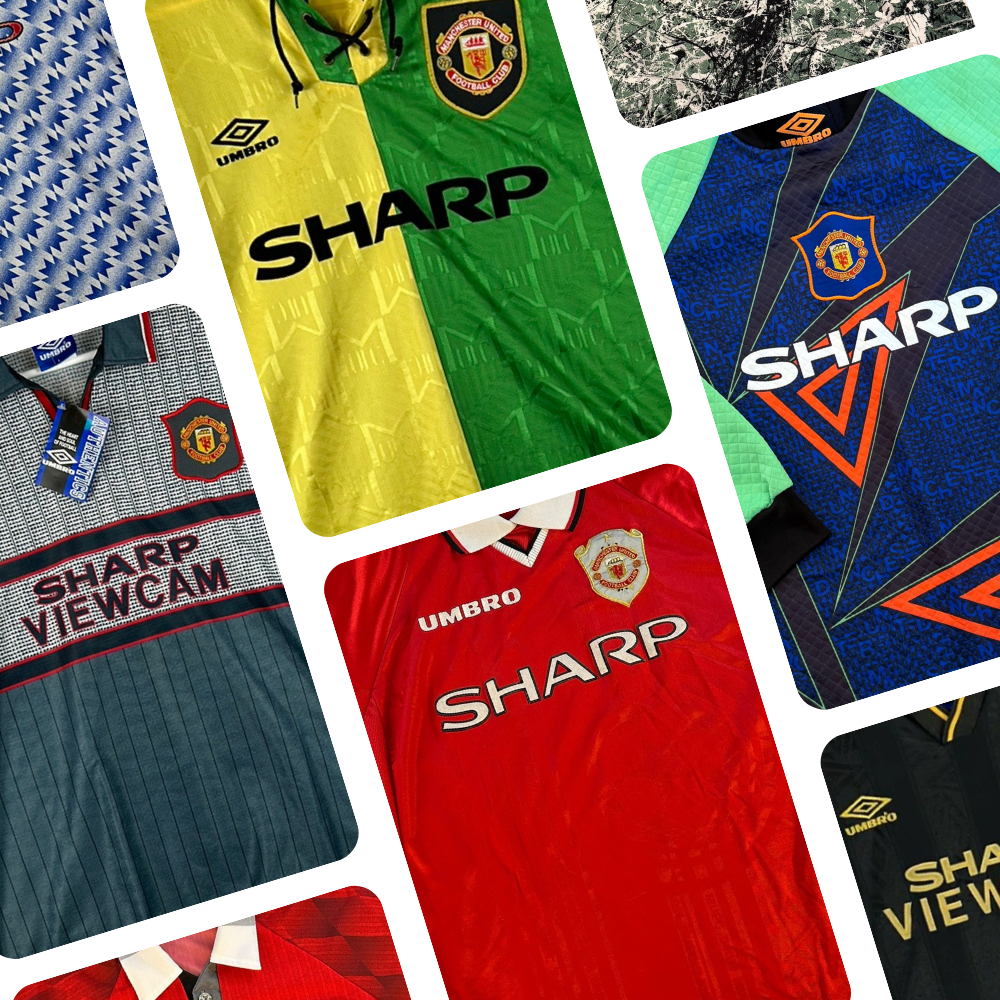
Retro Manchester United Shirts
Here's my current stock of Manchester United shirts that are for sale....
-
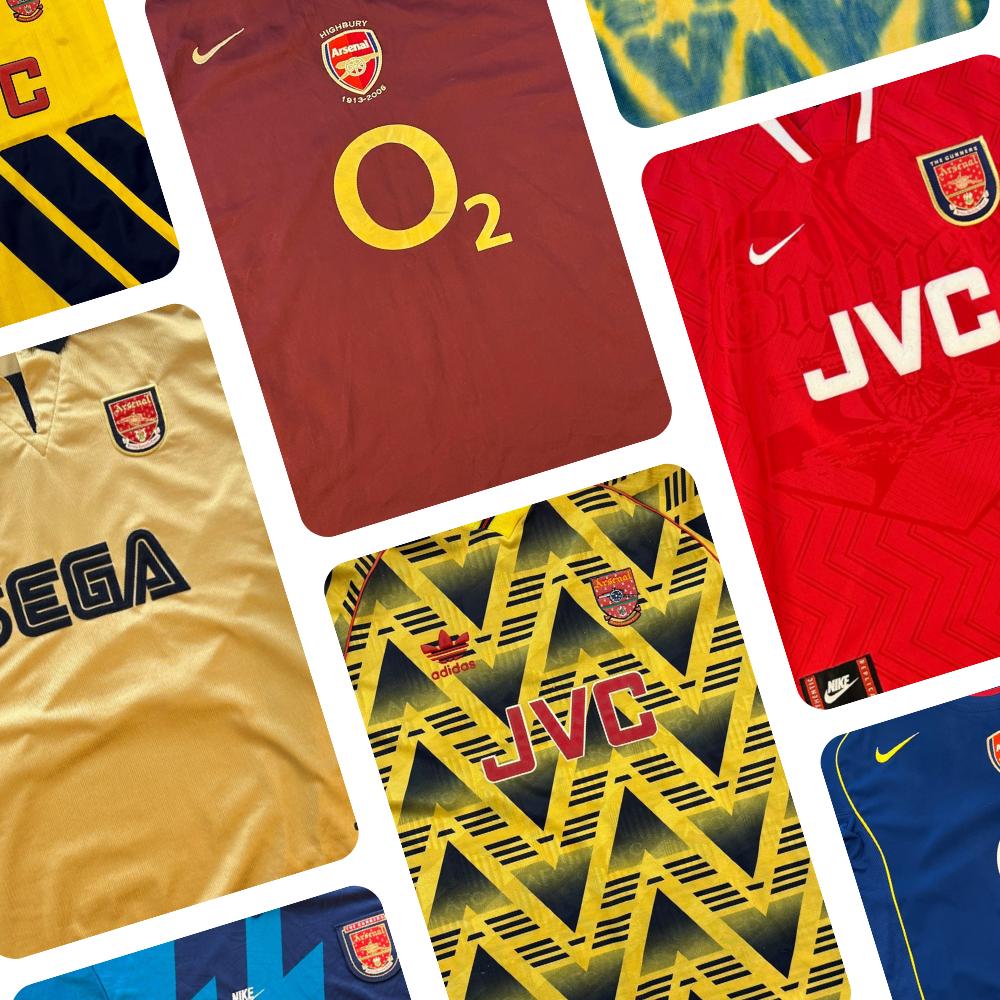
Retro Arsenal Shirts
Step into true North London nostalgia with our collection of vintage Arsenal...
-
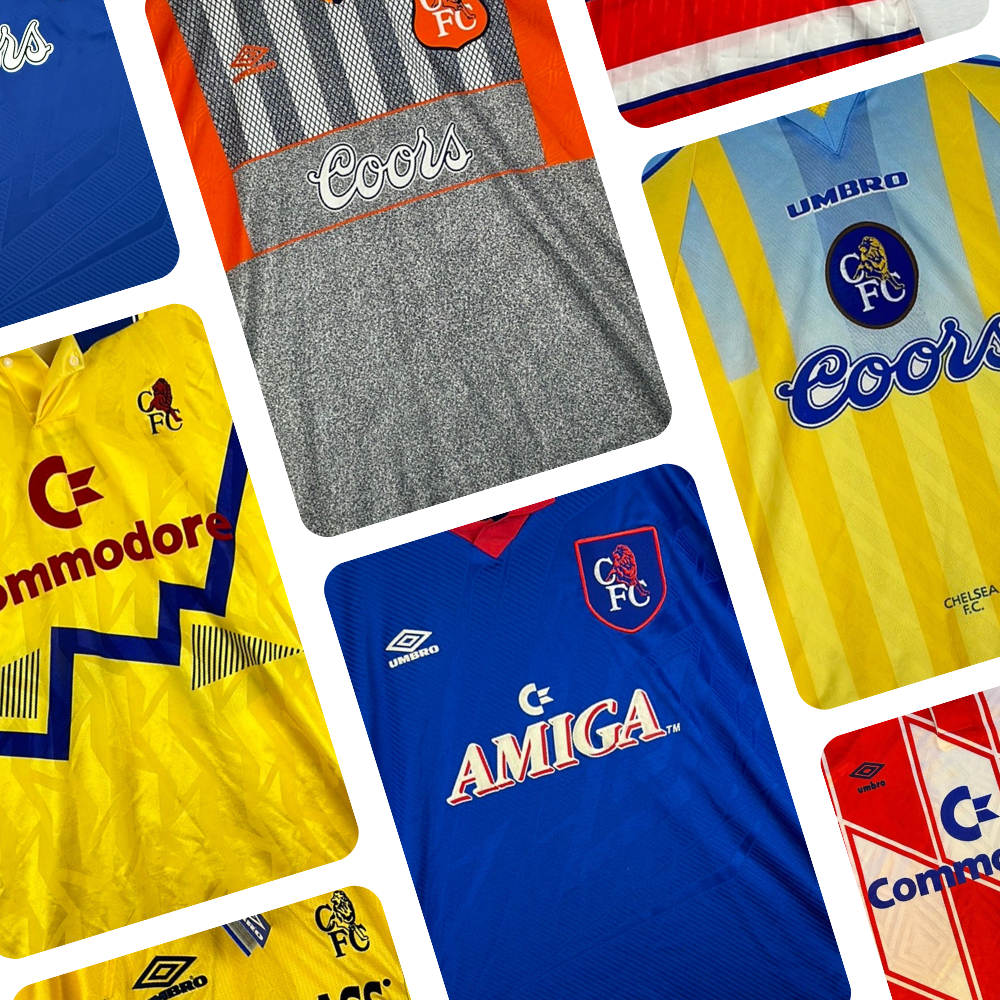
Retro Chelsea Shirts
Celebrate the iconic eras of Stamford Bridge with our collection of vintage...
-

Retro Barcelona Shirts
Immerse yourself in the rich tapestry of FC Barcelona with our stunning...
-

Retro Lionel Messi Shirts
Shop authentic Messi shirts from his time at Barcelona, PSG, Argentina and...
-

Retro Real Madrid Shirts
Step into a realm of royal elegance with our Real Madrid shirt...


Latest Stock
-
2007/08 Manchester United Away Football Shirt (3XL) Nike
Size: 3XL
Regular price £60.00 GBPRegular priceUnit price per -
2024/25 Dortmund Home Football Shirt (S) Puma
Size: Small
Regular price £50.00 GBPRegular priceUnit price per -
2011/12 Manchester United Home Football Shirt (2XL) Nike #14 Chicharito
Size: 2XL
Regular price £80.00 GBPRegular priceUnit price per -
2002/03 Brescia Home Football Shirt (XL) Umbro #10 Baggio
Size: X-Large
Regular price £180.00 GBPRegular priceUnit price per -
2013/14 Arsenal Away Football Shirt (S) Nike #11 Ozil
Size: Small
Regular price £65.00 GBPRegular priceUnit price per -
1997/98 Santos Home Football Shirt (L) Umbro
Size: Large
Regular price £135.00 GBPRegular priceUnit price per -
1998/99 Glasgow Rangers Away Football Shirt (L) Nike
Size: Large
Regular price £80.00 GBPRegular priceUnit price per -
1998/99 Macclesfield Town Third Football Shirt (2XL) Super League
Size: 2XL
Regular price £120.00 GBPRegular priceUnit price per


Match Worn Shirts
-
2013/14 Dunstable Town Away Football Shirt (L) Adidas #14 (Matchworn)
Size: Large
Regular price £40.00 GBPRegular priceUnit price per -
1993/95 Port Vale Home Football Shirt (3XL) Errea (2014 Re-Issue)
Size: 3XL
Regular price £65.00 GBPRegular priceUnit price per -
Wales 2015-2016 Player Issue Goalkeeper Shirt (BNWT) L
Size: L
Regular price £59.99 GBPRegular priceUnit price per -
Wales 2018-2019 2nd Player Issue Goalkeeper Shirt (BNWT) L
Size: L
Regular price £59.99 GBPRegular priceUnit price per


