
Hi, I'm Simon, owner of Casual Football Shirts, and over the years I've bought and sold hundreds of vintage football shirts. From rare 1990s goalkeeper kits to classic Premier League shirts, collecting football shirts can quickly become addictive.
If you're just getting started, these are my top 5 tips for buying vintage football shirts that will help you build a better collection and avoid some common mistakes.
Top 5 Tips For Buying Vintage Football Shirts
1 – Have a Focus for Your Collection
One of the best things you can do when starting a football shirt collection is to focus on a theme.
On social media it can look impressive when collectors have rails full of random shirts, but focusing on one club, era, or type of shirt will help you build knowledge much faster. Over time this also helps you recognise fair prices and identify rare pieces.
Some great collection ideas include:
- Every home shirt from your club in the 1990s
- Premier League winners' shirts for every season
- Special edition or one-off shirts
- Full kits rather than just shirts (very hard in adult sizes)
- 1990s goalkeeper shirts
- Match worn football shirts
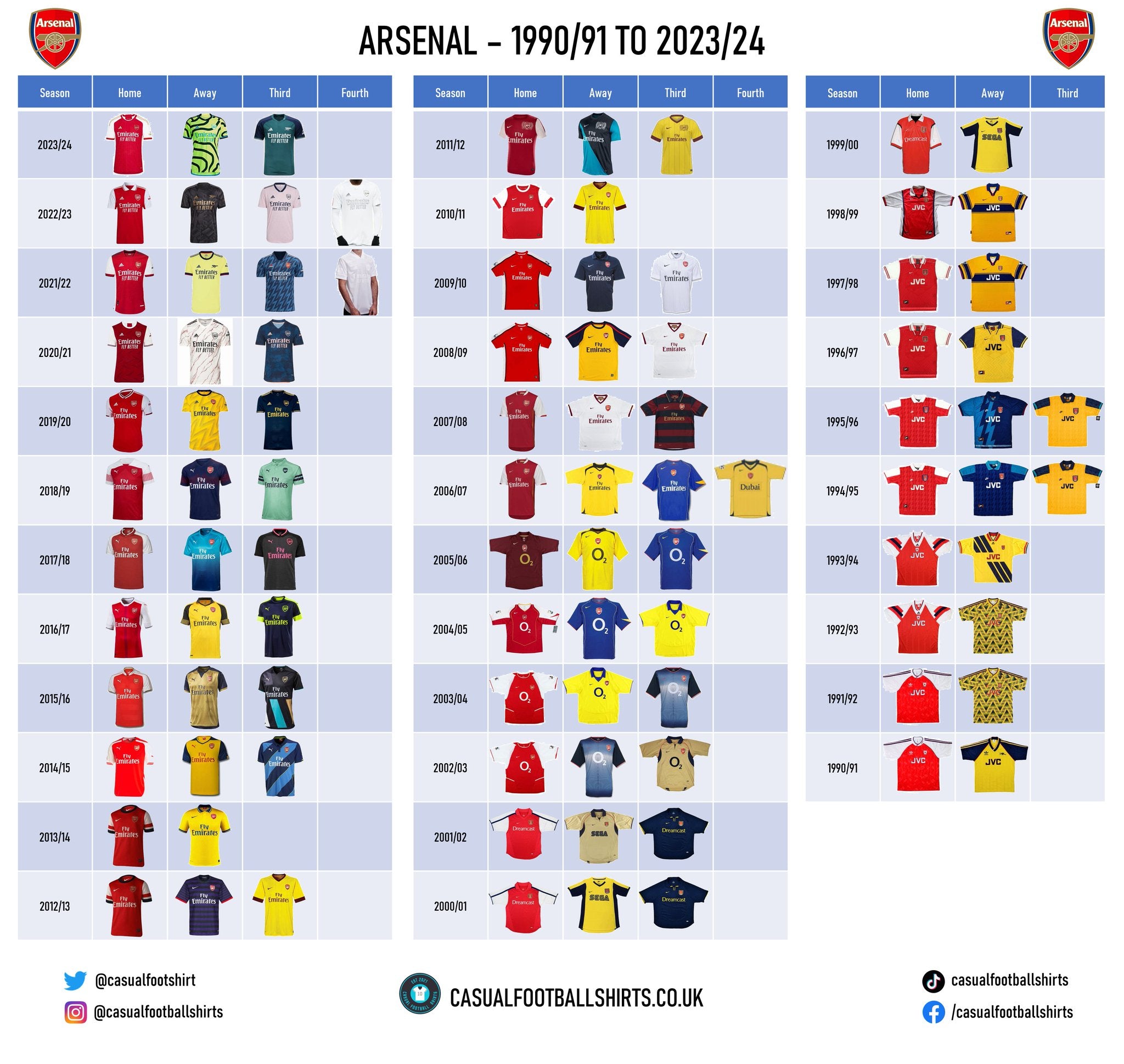
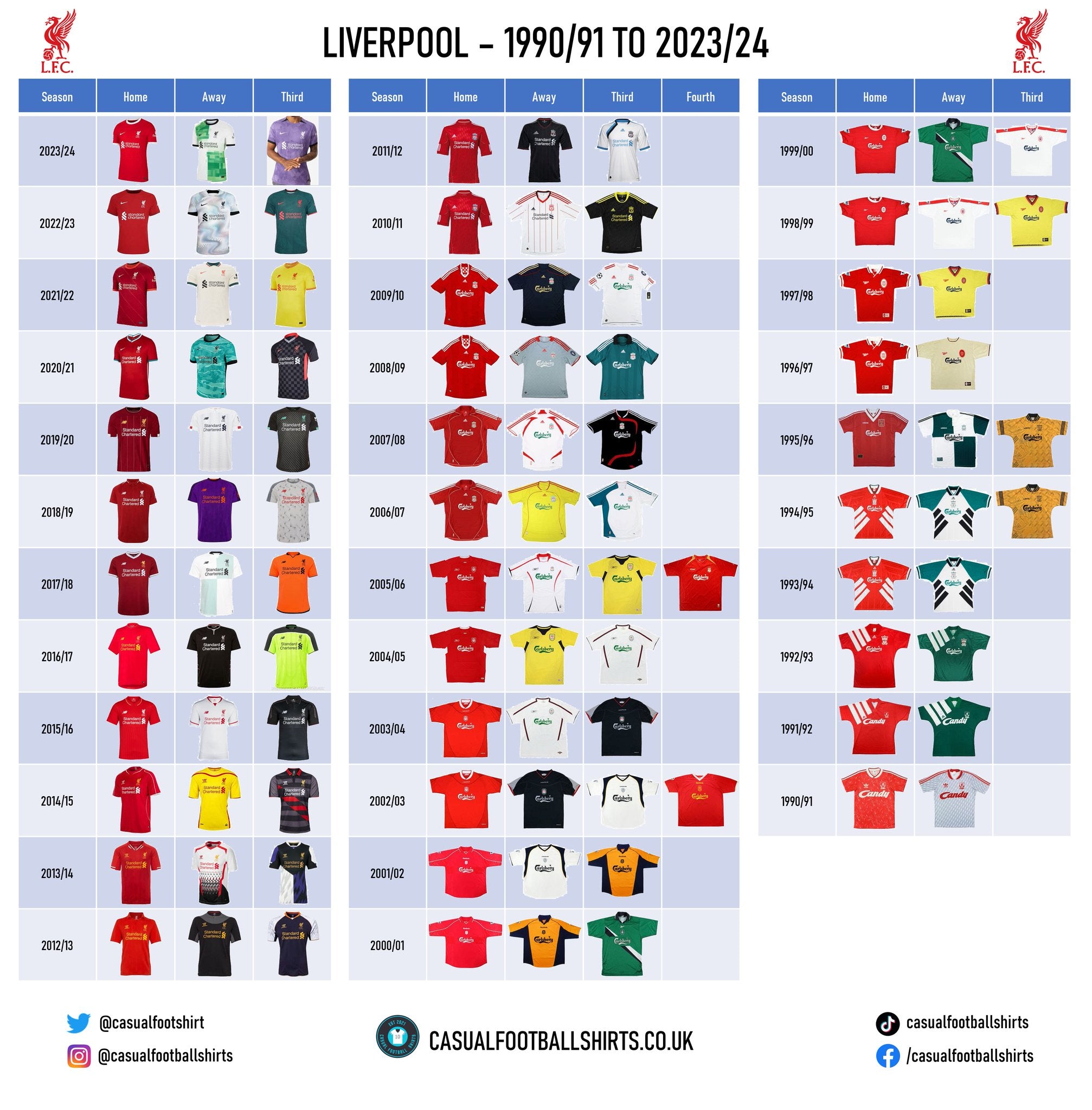
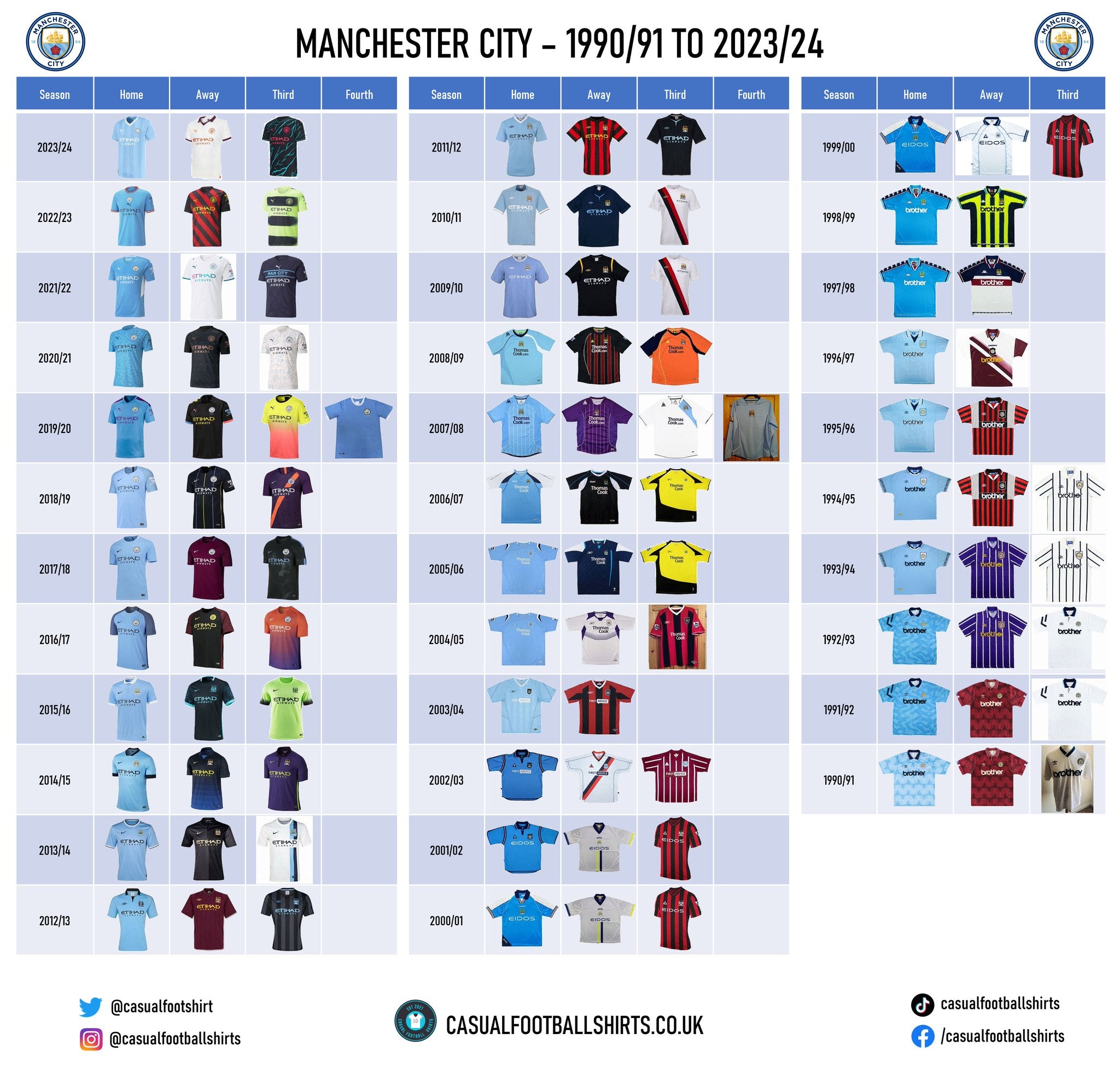
- The home, away and third shirt for your club each season
Having a focus helps you quickly build expertise around the shirts you're collecting.
Here is the current world record collection for shirts from a single club.

2 – Focus on Shirt Condition
If you are collecting vintage shirts as an investment or long-term collection, always try to buy the best condition shirt you can afford.
If you want to wear your shirts regularly, it can make more sense to buy cheaper examples that already have minor pulls or marks. That way you don’t have to worry about damaging a valuable piece.
As the vintage shirt market continues to grow, the price difference between condition grades is increasing.
For example, a Manchester United 1990 away “snowflake” shirt in mint condition can sell for significantly more than one with heavy pulls or fading.
Generally speaking:
- Mint condition shirts command the highest prices
- Excellent condition shirts are still very collectible
- Heavily worn shirts sell for much less
Important: Sellers often have very different ideas of what “very good condition” means. Always zoom into photos and inspect the material, badges, and print carefully before buying.
If you're unsure how to judge condition, read our guide to grading vintage football shirt condition.
3 – Be Patient
If you're building a vintage shirt collection, patience is essential.
Plan the shirts you want to collect and avoid buying impulsively just because something appears on eBay or Google Shopping.
Take time to:
- Research shirt prices
- Compare listings
- Check authenticity
- Set a realistic budget
Often the same shirt will appear again later at a better price.
If you're unsure about authenticity, our guide on how to spot fake football shirts can help.
4 – Size Matters
When collecting vintage shirts, size plays a big role in value.
Large is typically the most popular size, with Medium and XL also commanding strong prices.
Smaller sizes and XXL shirts are usually cheaper due to lower demand.
One important thing to watch for is youth shirts being sold as adult sizes.
If the label shows Y, LB, or Youth sizing, the shirt will usually be worth significantly less, even if it fits like a modern small.
If you're unsure about sizing differences, our football shirt size guide explains how vintage shirts fit compared to modern kits.
5 – Look Everywhere
Most people start their search on Google Shopping or eBay, which is a great place to begin.
However, some of the best deals can be found elsewhere.
Places worth checking include:
- Football shirt Twitter communities
- Facebook football shirt selling groups
- Collector forums
- Private sellers
There is also a popular football shirt authenticity Facebook group where collectors help verify whether shirts are genuine.
I regularly post there myself, and the community is usually very helpful when identifying real shirts and spotting fakes.
Final Thoughts
Building a football shirt collection takes time, patience and a bit of knowledge — but that's part of the fun.
If you focus on condition, authenticity, and buying smartly, you can build a collection that is both enjoyable and valuable.
If you have any questions, feel free to message me on Instagram @casualfootballshirts or Twitter @casualfootshirt.